Becoming a Coding Instructor: What I Learned from Teaching Web Development
There is something I realized after teaching coding several times:
Knowing how to build a website doesn't automatically mean you know how to teach someone else to build one.
It sounds simple, but there is actually a big difference.
When working on our own projects, we can use whatever approach feels most comfortable. If we forget some syntax, we can check the documentation. If we encounter an error, we can debug it ourselves. If we don't understand something, we can search for an answer.
But when you become a coding instructor, things change.
People ask questions.
Some students may not understand the basic concepts yet.
Someone might suddenly get an error.
Someone might follow the exact same code but get a completely different result.
And sometimes, a concept needs to be explained from a completely different perspective.
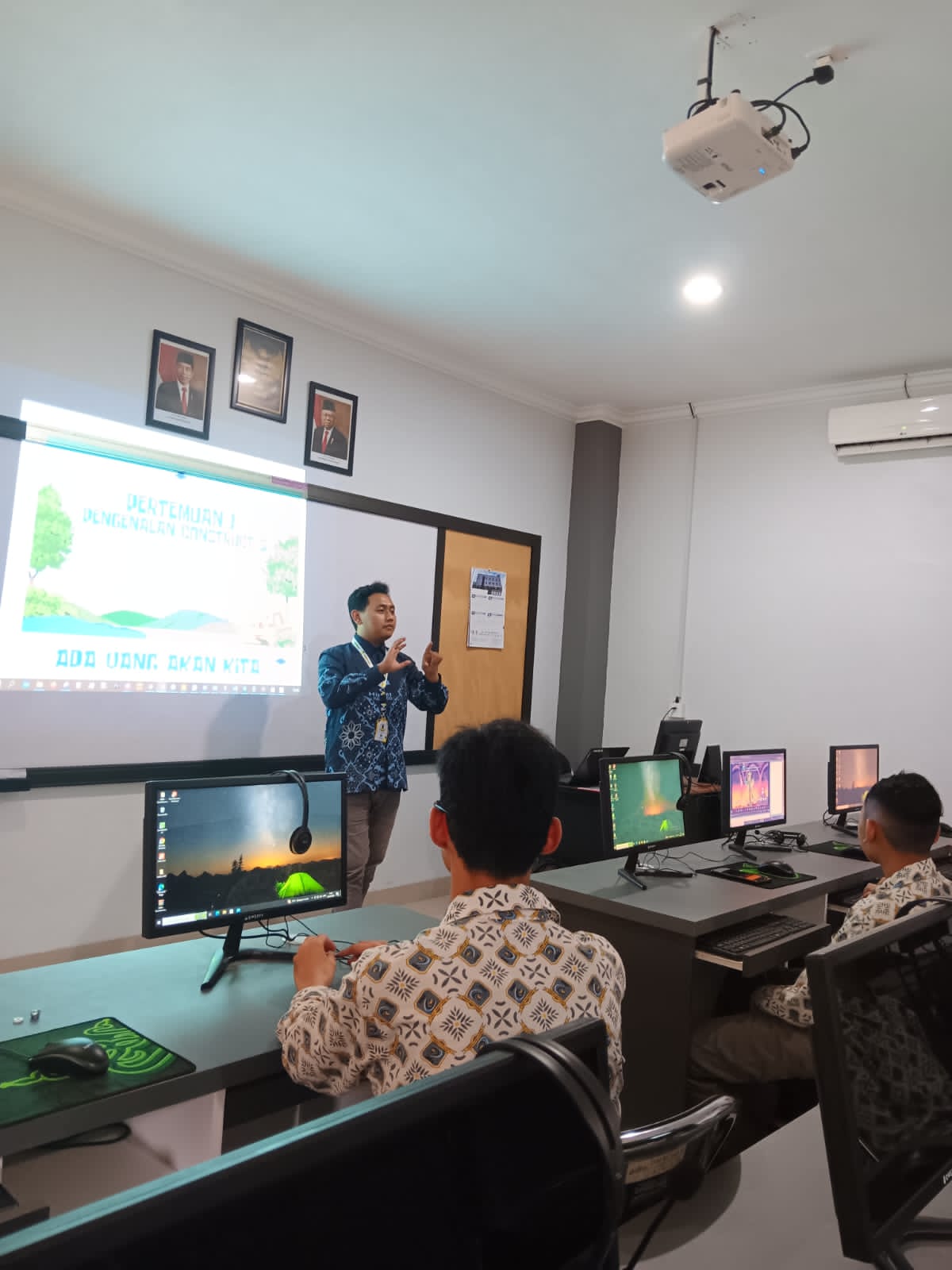
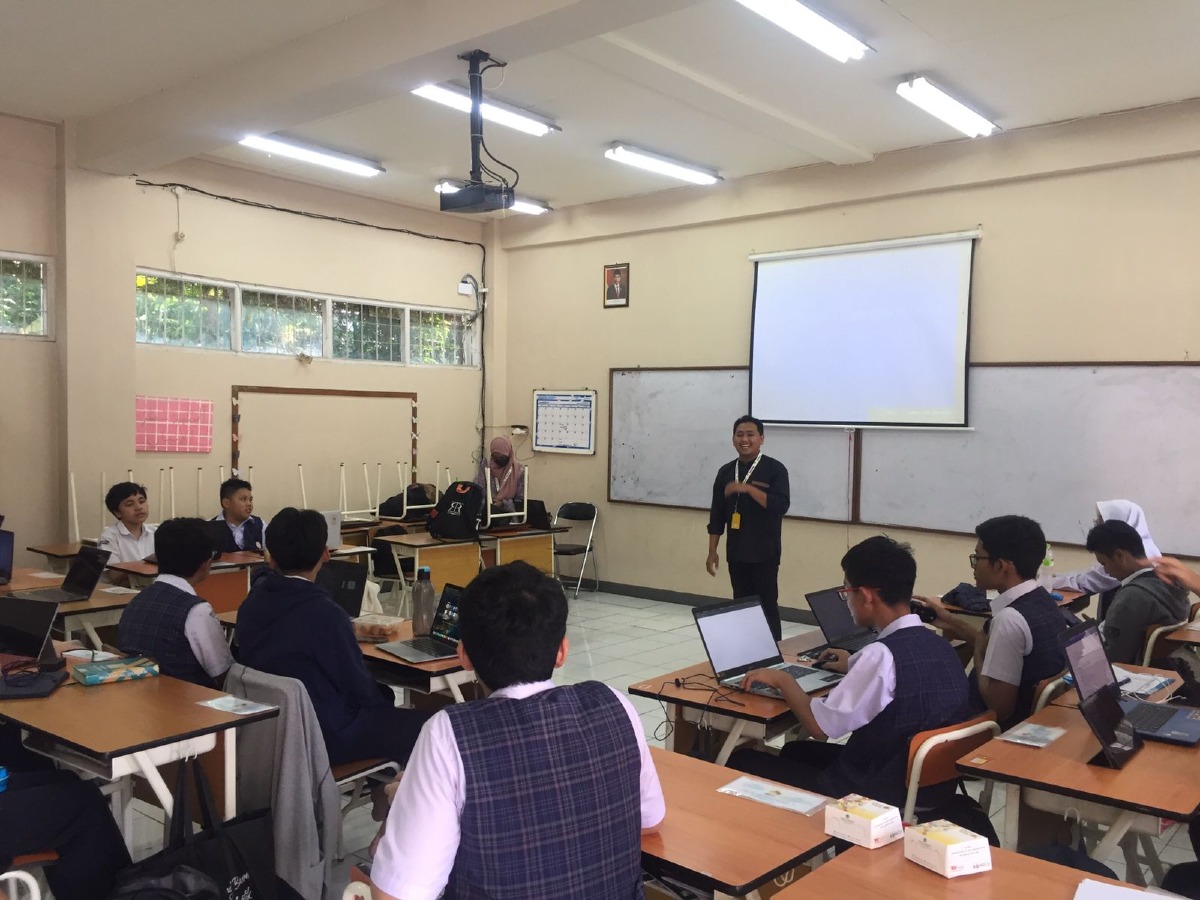
I had the opportunity to participate in teaching and mentoring sessions focused on web development, and the experience taught me many lessons that go beyond coding.
From Coding by Yourself to Teaching Coding
When we first learn web development, the goal is usually simple:
"How can I build a website?"
We start with HTML.
Then CSS.
After that, JavaScript.
Eventually, we may move into frameworks, databases, APIs, and many other technologies.
The more we learn, the more concepts we encounter.
But when we start teaching web development to someone else, the question changes.
It's no longer:
"How do I build this?"
Instead, it becomes:
"How can I help someone else understand how to build this?"
And surprisingly, that isn't always easy.
Teaching Web Development Is More Than Writing Code
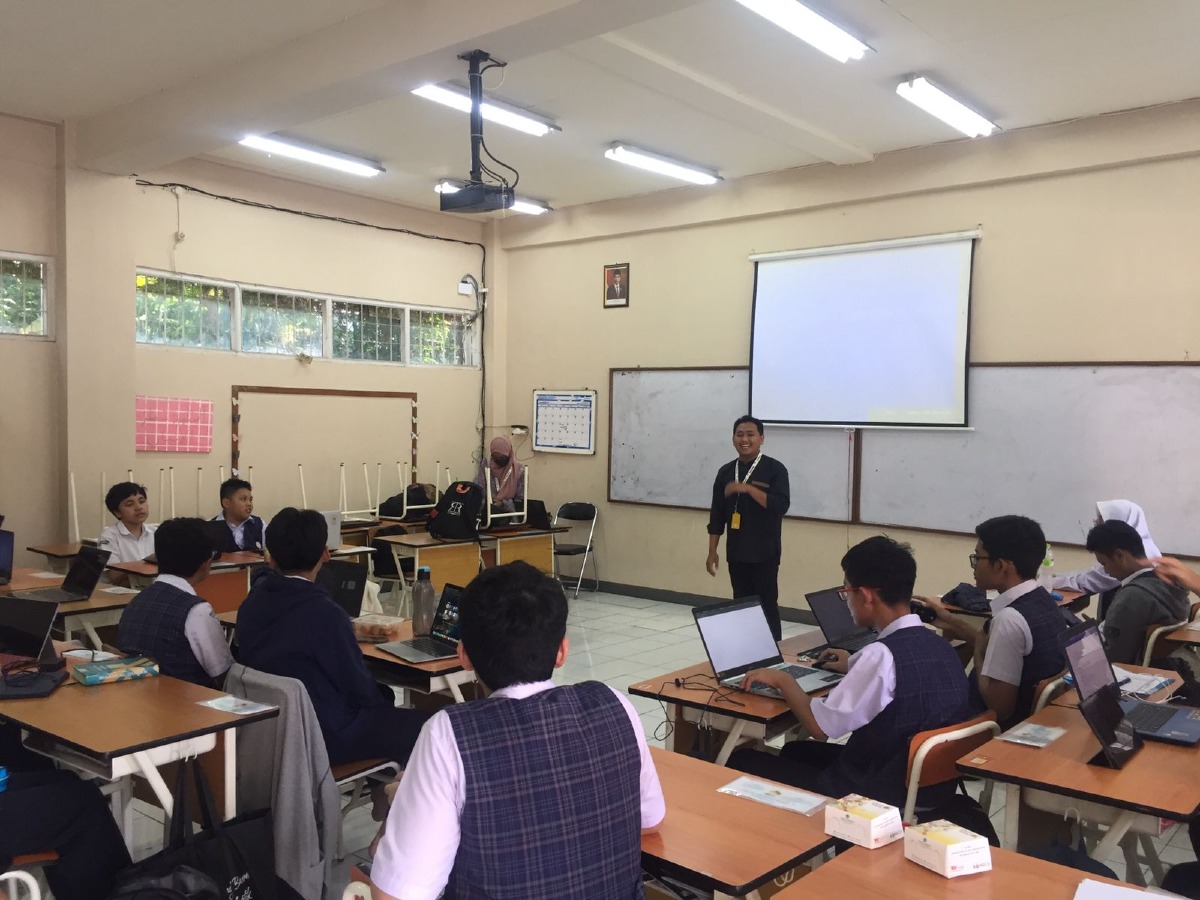
When teaching web development, we might initially think that an instructor's main job is simply to explain code.
In reality, it is much broader than that.
A coding instructor needs to help students understand:
Basic web concepts
HTML
CSS
JavaScript
Page structure
Programming logic
Development tools
How to read errors
How to find solutions
How to build simple projects
And most importantly, we need to make sure students don't just follow the steps, but actually understand what they're doing.
Because there is a big difference between:
"I successfully followed the tutorial."
and:
"I understand how and why this code works."
In my opinion, the second one is much more valuable.
Teaching HTML Can Be More Challenging Than It Looks
For developers, HTML can feel very simple.
We can write:
<h1>Hello World</h1><p>Welcome to my website.</p>Done.
But for someone seeing HTML for the first time, many questions may appear:
What is a tag?
Why do we need
<div>?
What's the difference between
<section>and<div>?
Why do we use
<form>?
What is an attribute?
These simple questions made me remember what it was like when I first started learning web development.
And it taught me an important lesson:
Never underestimate the fundamentals.
A strong foundation becomes extremely useful when someone starts learning more advanced technologies.
CSS Taught Me Patience
If you've ever taught web development, you probably know this classic question:
"Why isn't the element centered?"
Or:
"It looks good on my laptop, but it's different on my friend's laptop."
CSS can look simple at first.
But once students start working with:
Flexbox
Grid
Position
Margin
Padding
Responsive design
Media queries
things can become a little more complicated.
As an instructor, we shouldn't just give them the answer.
We need to help students understand why the layout isn't behaving the way they expect.
And once again, this brings us back to an important skill:
problem solving.
JavaScript Brings a Different Challenge
After HTML and CSS, students usually start learning programming logic through JavaScript.
At this stage, the challenge becomes different.
They start encountering:
Variables
Functions
Conditionals
Loops
Arrays
Objects
Events
DOM
Asynchronous programming
Suddenly, the website that was previously just a visual interface now has logic behind it.
This made me realize even more that teaching programming requires a different approach than simply showing code examples.
Students need to understand the thinking behind the code.
Don't Just Explain "How" — Explain "Why"
This is one of the principles I find important when teaching coding.
For example, suppose we want to create a button that changes some text when clicked.
We could simply provide:
button.addEventListener("click", function () { title.textContent = "Hello World";});But then we should also ask:
Why are we using addEventListener?
What is an event?
Why are we using textContent?
What happens if the element cannot be found?
By discussing the "why", students start understanding the concept.
And when they encounter a different problem later, they can adapt their knowledge instead of simply copying the previous solution.
I Learned That Everyone Learns at a Different Pace
One of the challenges of becoming a coding instructor is dealing with students who have different levels of experience.
Some may have coded before.
Some may be opening a code editor for the first time.
Some understand concepts very quickly.
Others need more examples.
Some are comfortable experimenting immediately.
Others prefer to observe before trying.
At first, it can be easy to think:
"Why don't they understand this yet?"
But the more I taught, the more I realized that everyone has a different learning process.
That's why an instructor needs to be flexible.
If the first explanation doesn't work, we might need to:
Use an analogy
Create a simpler example
Use visual explanations
Provide exercises
Demonstrate the process
Go back to the fundamentals
The goal isn't to make everyone learn at exactly the same speed.
The goal is to help each person improve from their own starting point.
When Students Run Into Errors

This is probably one of the most familiar moments in a programming class.
Student:
"Can you help me? I got an error."
Instructor:
"Check the error message."
Student:
"I don't understand what it means." 😄
And that's when the debugging session begins.
Usually, we start by:
Reading the error message
Identifying the problematic file
Looking at the line mentioned
Checking the syntax
Checking the variables
Checking the logic
Trying a solution
Running the program again
This experience taught me that debugging is actually an important part of learning programming.
An error doesn't always mean something went wrong with the learning process.
Sometimes, the error itself is the learning process.
It gives students an opportunity to understand how a system actually works.
I Don't Always Give the Answer Immediately
This was probably one of the biggest mindset changes I experienced when becoming a mentor and instructor.
When someone encounters a problem, it is very easy to give them the solution immediately.
For example:
"The problem is on this line. Just change it."
Problem solved.
But did the student actually learn something?
Not necessarily.
That's why I prefer asking questions such as:
"Which part do you think is causing the error?"
"What did you expect to happen?"
"What is actually happening?"
"What does this error message tell us?"
With this approach, students begin to think through the problem themselves.
And I believe that is much more valuable than simply giving them the answer.
Teaching Made Me Understand Web Development Better
This might sound a little ironic.
I was teaching people about web development, but I was also learning a lot myself.
When teaching, we often receive questions we don't expect.
For example:
"Why do we use this approach?"
Questions like that can force us to think more deeply.
Sometimes, they even encourage us to go back to the documentation or research another solution.
And sometimes we discover a better approach that we hadn't used before.
The learning cycle becomes:
Teach → Get Questions → Think → Research → Learn → Teach Again
I think that's one of the most effective ways to keep learning.
Teaching Improved My Communication Skills
Being a coding instructor doesn't only require technical skills.
It also requires strong communication skills.
Imagine explaining APIs to someone who is completely new to web development.
If we immediately start using terms like:
REST endpoint, HTTP methods, request payload, response body, authentication...
the student might become even more confused.
We need to simplify the concept first.
For example:
Client sends a request → Server processes it → Server sends a response.
Once the basic idea is clear, we can introduce the technical terminology.
In my opinion, the ability to simplify complex concepts is one of the most valuable skills in technology.
Teaching Skills Are Also Relevant in the Workplace
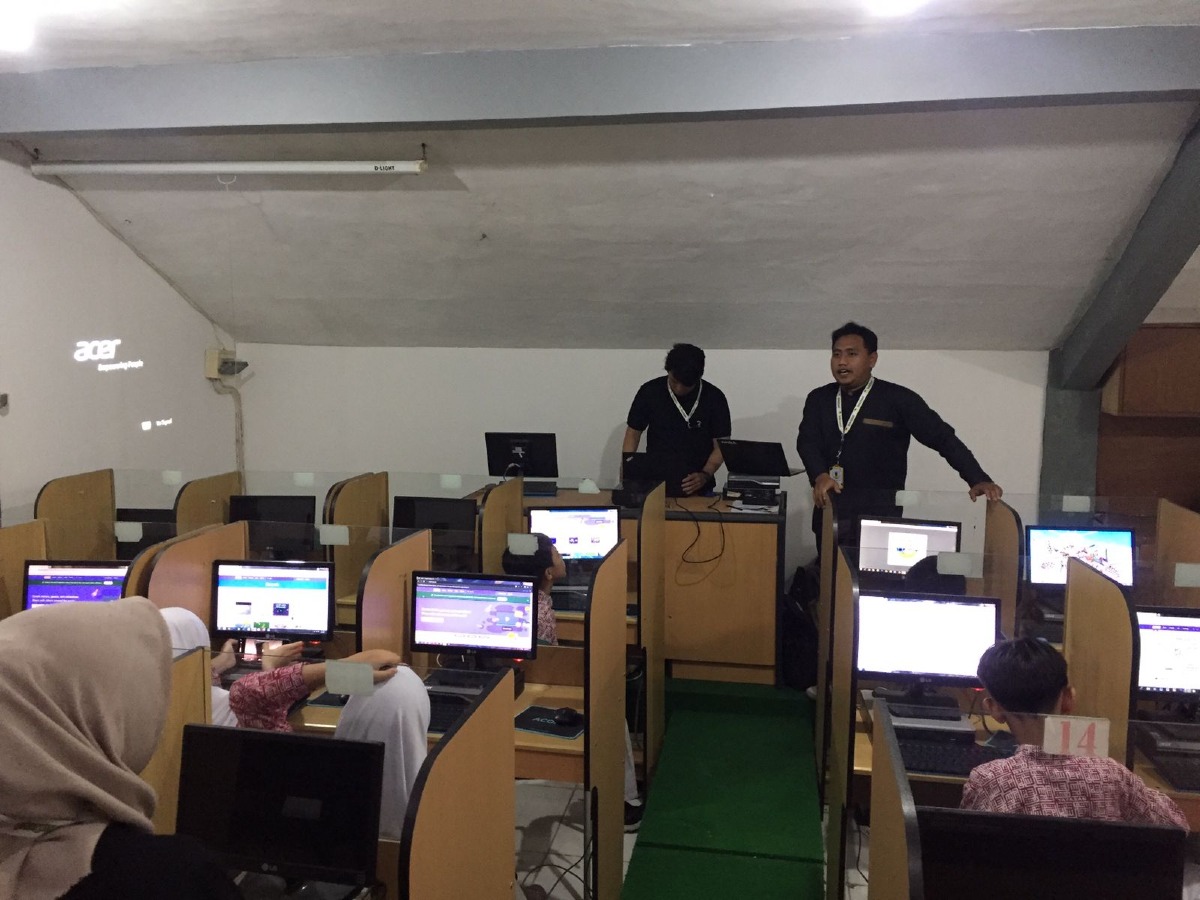
My experience as a coding instructor also helped me see the connection between teaching and professional work.
In a professional environment, we often need to explain things to other people.
For example:
Technical issues
Requirements
Architecture
Project progress
Technical limitations
Risks
Solutions
And the person listening isn't necessarily a developer.
That's why technical communication matters.
We need to know when to use technical terminology and when to explain something in simpler language.
Teaching Coding Also Develops Leadership
Before becoming more involved in teaching and mentoring, I didn't immediately associate teaching with leadership.
But the more I did it, the more I started to see the connection.
An instructor needs to:
Guide
Provide direction
Listen
Give feedback
Help solve problems
Encourage students to try things themselves
Help others grow
Leadership isn't always about managing a team or having a formal position.
Sometimes leadership is simply about helping someone become better than they were before.
What Did I Learn from Becoming a Coding Instructor?
After teaching web development, there are several lessons that have stayed with me.
1. Technical Skills Alone Are Not Enough
Understanding coding is important.
But teaching coding requires additional skills:
Technical Skills + Communication + Patience + Problem Solving
All of these skills complement each other.
2. Never Underestimate the Fundamentals
HTML, CSS, variables, or basic programming concepts may seem simple to experienced developers.
But for beginners, they are completely new concepts.
That's why a good instructor needs to know how to explain fundamentals clearly.
3. Errors Are Part of Learning
Students shouldn't be afraid of errors.
Errors can actually help them understand how a system works.
The important thing is learning how to read the error and find a solution.
4. Don't Give the Answer Too Quickly
Giving the answer is faster.
But helping someone discover the answer themselves can create a much deeper learning experience.
5. Teaching Keeps You Learning
When you teach, you will receive new questions.
Those questions can push you to explore topics that you may not have fully understood before.
Being an instructor doesn't mean knowing everything.
It means continuing to be a learner.
From Coding Instructor to a Better Technology Professional
For me, becoming a coding instructor wasn't simply about teaching HTML, CSS, JavaScript, or web development.
It helped me develop the way I think and communicate.
I learned that technology isn't only about:
"Can you build it?"
It's also about:
"Can you explain it?"
And even:
"Can you help someone else understand it?"
I believe all three skills matter.
Conclusion
Becoming a coding instructor gave me a different perspective on web development.
I learned that teaching programming isn't just about knowing syntax or frameworks.
You need to understand the concepts deeply, know how to explain them, understand the learner's perspective, help them solve problems, and give them enough space to learn independently.
Teaching also showed me that communication is an important part of technical skill.
Technology professionals rarely work completely alone.
We work with developers, Project Managers, Business Analysts, Product Owners, clients, users, and many other stakeholders.
Being able to explain something clearly and simply can make a huge difference.
And perhaps the biggest lesson I learned is:
The best way to understand something deeply is to try teaching it to someone else.
Teaching makes me learn again.
Learning makes me better at teaching.
And that cycle has become one of the most interesting parts of my journey in technology.