
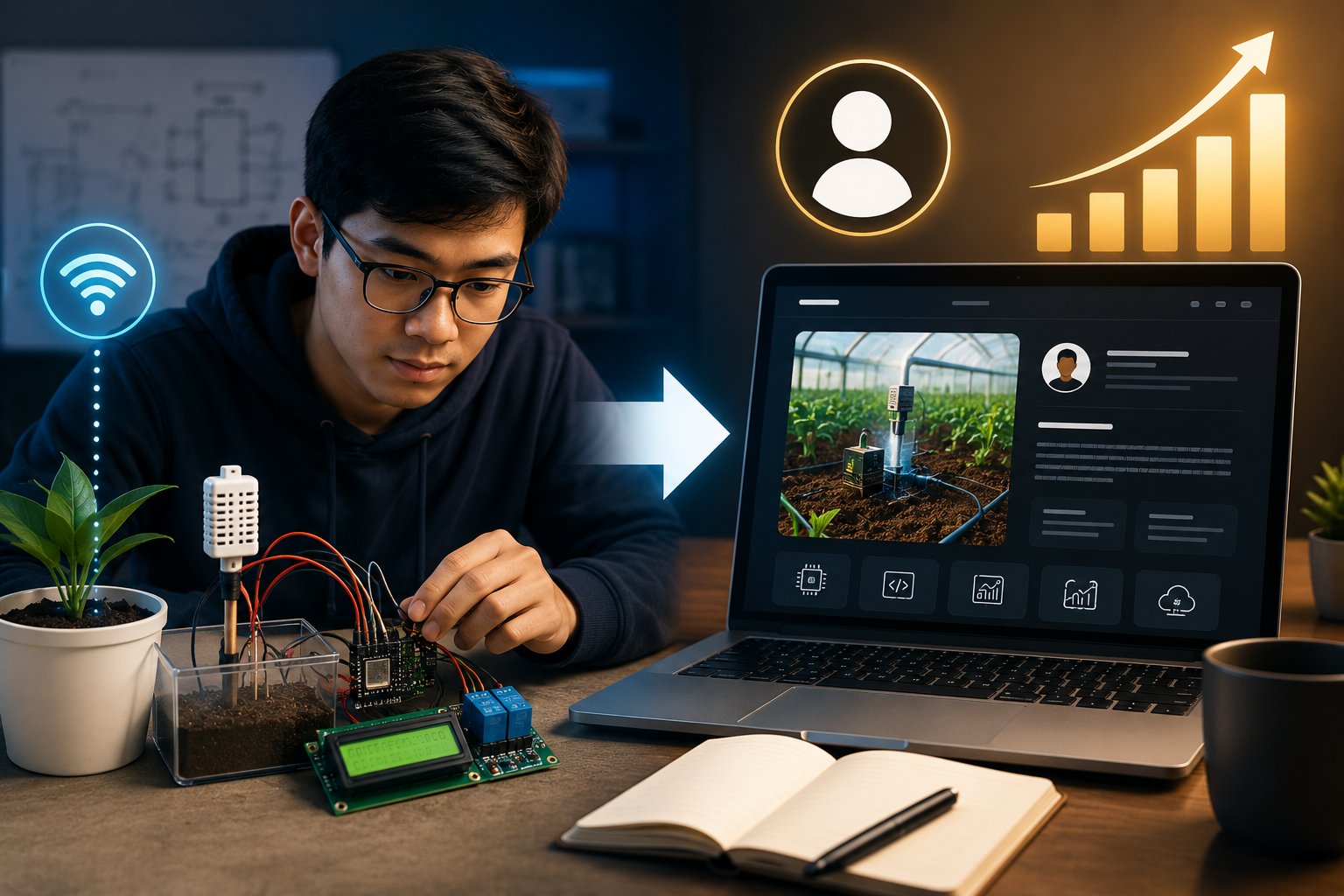
Many developers have impressive projects—especially from university, hackathons, or research.
But here’s the problem:
Most of those projects never turn into real opportunities.
They stay as:
GitHub repositories
Forgotten folders
One-time presentations
Meanwhile, some developers land jobs, clients, and recognition—not because their projects are better, but because they know how to present them.
If you’ve worked on an IoT project (like a smart irrigation system), this article will show you how to transform it into a powerful personal branding asset and portfolio magnet.
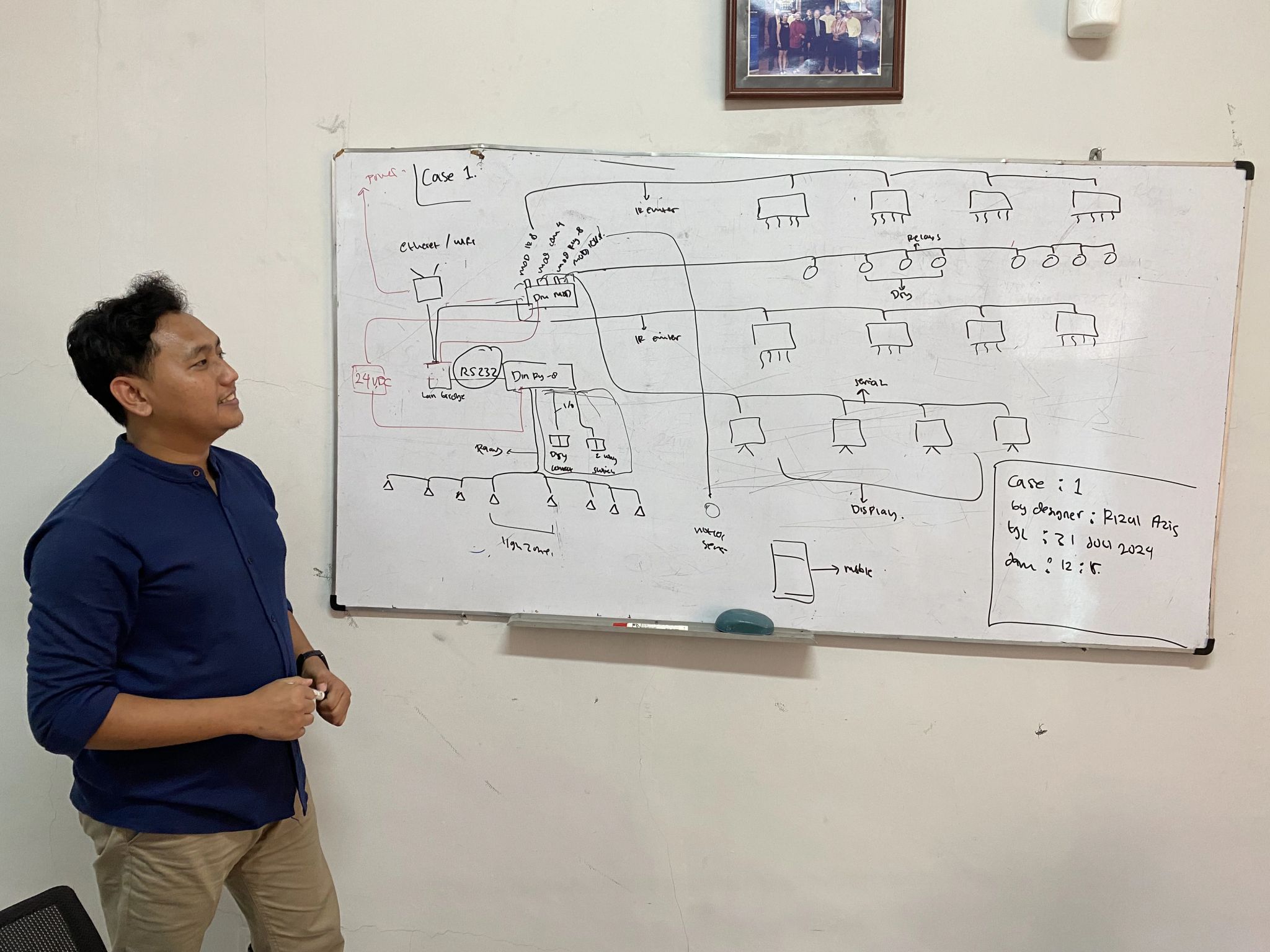
The Common Mistake: Treating Projects as Assignments
Most developers present their projects like this:
“This is my IoT project”
“I used ESP8266 and sensors”
“Here’s the code”
That’s it.
The problem?
👉 This doesn’t communicate value.
According to HubSpot, content that highlights outcomes and value performs significantly better than purely technical descriptions.
Shift Your Mindset: From Project to Solution
Instead of thinking:
“I built an IoT system”
Start thinking:
“I solved a real-world problem using technology”
For example:
❌ Weak positioning:
“Smart irrigation system using IoT”
✅ Strong positioning:
“An IoT-based irrigation system that improves water efficiency and automates plant care”
See the difference?
One describes technology.
The other communicates impact.
Turn Your Project into a Case Study
A powerful portfolio is not a gallery—it’s a story.
Use this structure:
1. Problem
What real issue were you solving?
Example:
Inefficient manual irrigation
Water waste in agriculture
2. Solution
What did you build?
IoT-based smart irrigation system
Sensors + microcontroller
Automated decision-making using fuzzy logic
3. Process
How did you approach it?
Research
System design
Testing and iteration
4. Result
What changed?
Improved water efficiency
Consistent plant growth
Reduced manual work
5. Impact
Why does it matter?
Applicable to real farming scenarios
Scalable for future development
This is what separates a student project from a professional case study.
Leverage Media Coverage (If You Have It)
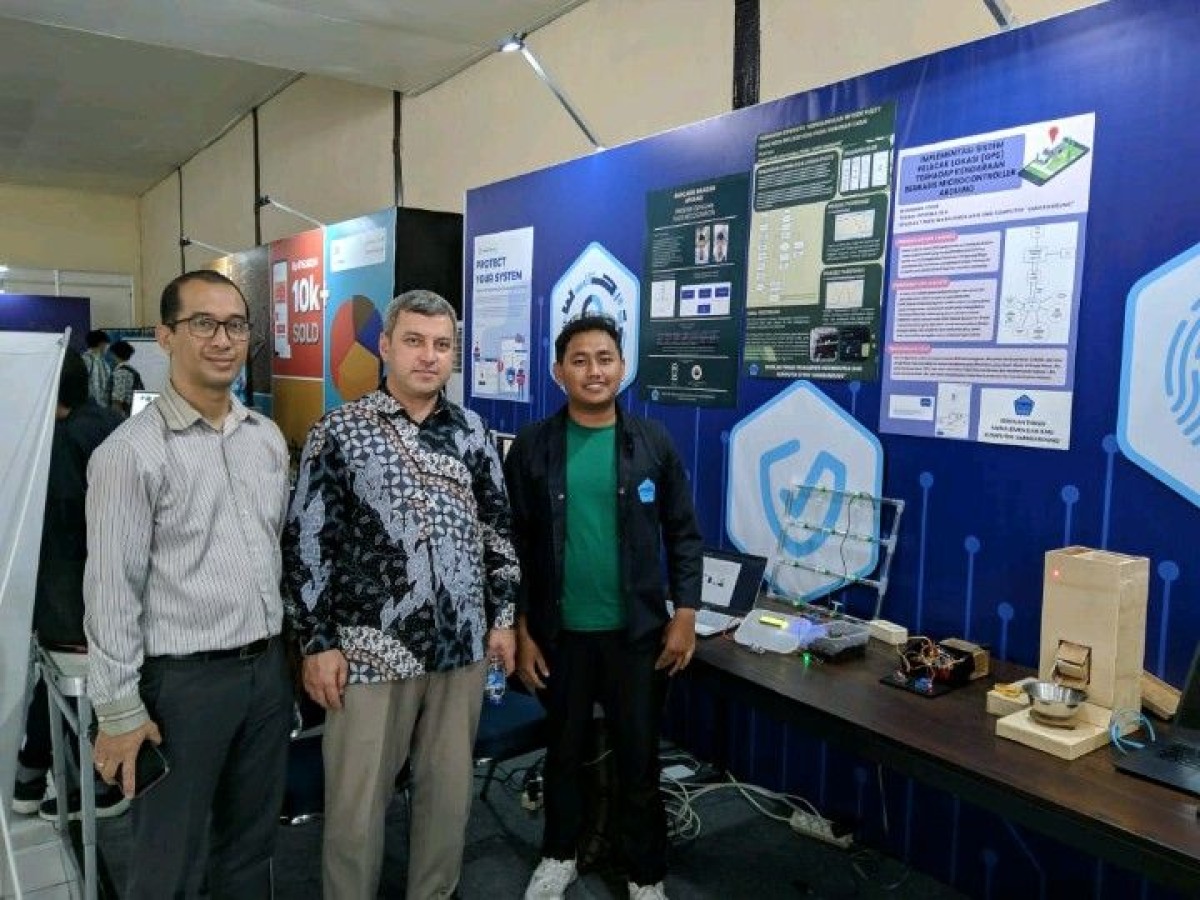
If your project has been featured in media or showcased in events—use it.
For example:
Published in online news
Presented at a tech expo
Demonstrated publicly
This builds credibility instantly.
According to LinkedIn, showcasing achievements and recognition significantly strengthens personal branding.
👉 Add a section like:
“Featured In”
“Media Coverage”
“Presented At”
This turns your project into authority proof.
Build a Portfolio That Attracts Opportunities
Your portfolio should answer one question:
“Why should someone hire you?”
Include:
Clear case studies
Real problem-solving examples
Visual proof (images, demos)
Results and impact
Avoid:
Only listing technologies
Only showing screenshots
No explanation
Turn It into Personal Branding Content
Don’t stop at your portfolio.
Repurpose your project into:
Blog articles (like this)
Twitter threads
Short-form content
This increases visibility.
The more people see your work, the more opportunities come.
Why This Matters More Than Ever
In today’s market, being skilled is not enough.
You must be:
Visible
Understandable
Relevant
Because:
Opportunities don’t go to the best developers—they go to the most visible and trusted ones.
Your project is more than just an academic achievement.
It’s a powerful asset that can:
Attract clients
Impress recruiters
Build your reputation
But only if you present it the right way.
Don’t just build projects. Turn them into stories that sell your value.
Other articles: