

Lessons I Learned About Project Management as a Software Developer
When I first became a software developer, I believed my primary responsibility was simple:
Write clean code.
Fix bugs.
Deliver features.
Everything else felt like someone else's responsibility.
Planning belonged to Project Managers.
Business discussions belonged to Product Owners.
Communication belonged to Team Leads.
At least, that's what I thought.
After working on multiple software projects, I realized something important.
Writing code is only one part of delivering successful software.
Project Management completely changed how I think about software development.
These are some of the biggest lessons I learned along the way.
Lesson 1: Understanding the Problem Is More Important Than Writing the Solution

Early in my career, I was excited to jump straight into coding.
The moment I received a requirement, I immediately opened my IDE.
Today, I do something different.
I start by asking questions.
What problem are we solving?
Who will use this feature?
Why is it important?
What outcome does the client expect?
The better I understand the problem, the better my technical solution becomes.
Great software starts with understanding—not coding.
Lesson 2: Communication Solves More Problems Than Code
One of the biggest surprises in software development is realizing how much time is spent communicating.
Developers communicate with:
Clients
Project Managers
QA Engineers
Designers
Business Analysts
Product Owners
A misunderstanding during requirement discussions can easily create weeks of unnecessary development.
I've learned that asking one extra question is often cheaper than fixing one extra bug.
Communication is a technical skill's best partner.
Lesson 3: Every Feature Has a Business Purpose
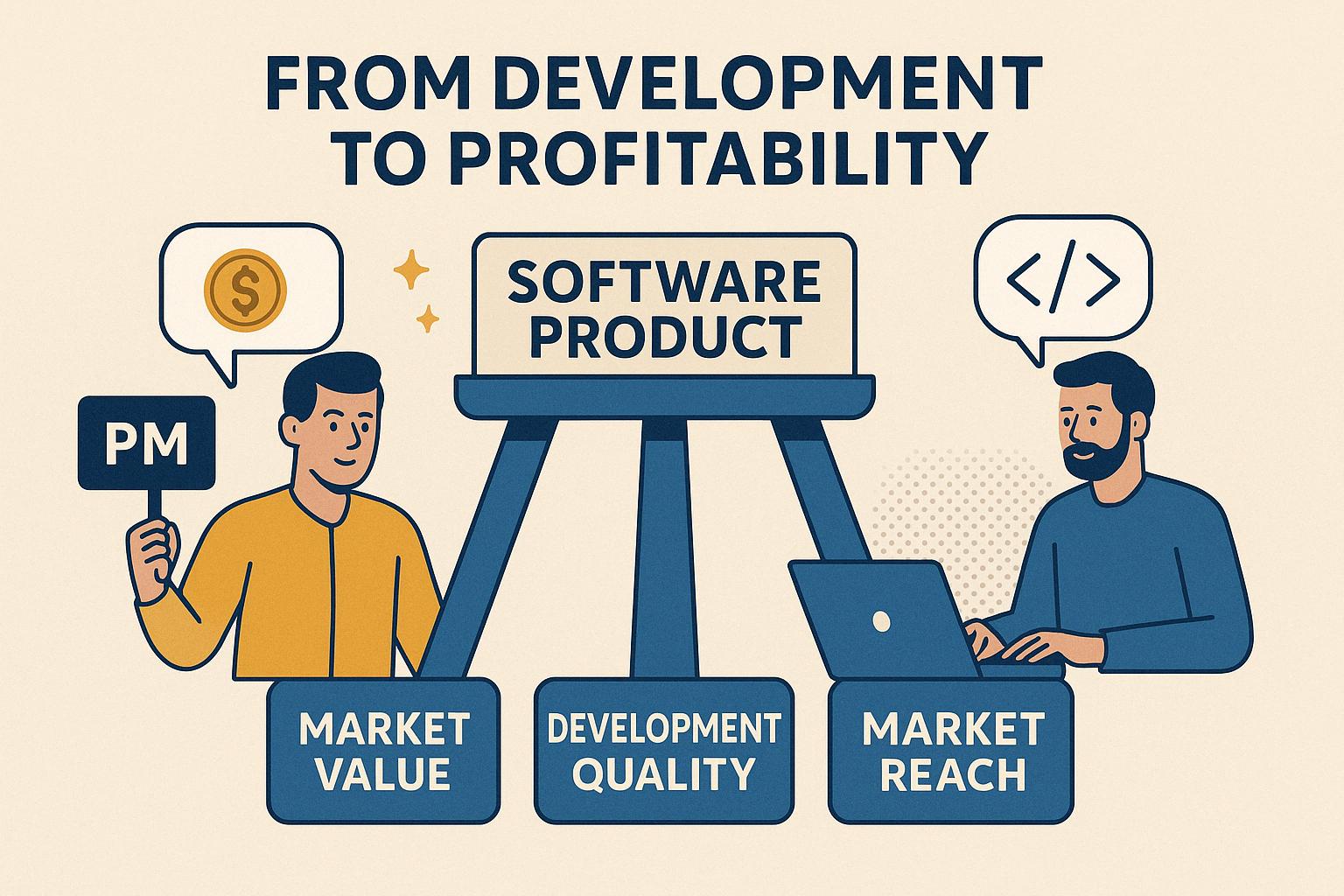
I used to think features existed because clients requested them.
Now I ask a different question:
"What business problem does this feature solve?"
Understanding business goals changes the way developers prioritize work.
Sometimes removing a feature creates more value than adding a new one.
Project Management taught me that software is an investment—not just an application.
Lesson 4: Planning Saves More Time Than Coding Faster
Many developers believe productivity means writing more code.
I learned the opposite.
Planning prevents unnecessary coding.
A simple project plan helps answer questions like:
What should we build first?
What are the biggest risks?
What dependencies exist?
Which tasks create the highest value?
Thirty minutes of planning can easily save several days of development.
Lesson 5: Deadlines Are About Trust, Not Pressure
Deadlines used to make me nervous.
Over time, I realized deadlines aren't just schedules.
They're commitments.
Meeting deadlines builds trust with:
Clients
Managers
Teammates
Stakeholders
If delays happen, honest communication is always better than silent excuses.
Reliable developers earn more opportunities.
Lesson 6: Risk Management Starts Before Deployment

Many developers think about risks after launching software.
Experienced developers think about risks before writing code.
Questions I now ask include:
Will this scale?
Is this secure?
What happens if the API fails?
What if user traffic doubles?
Can another developer maintain this code?
Thinking ahead reduces future problems.
Lesson 7: Leadership Doesn't Require a Job Title
One misconception I had early in my career was believing leadership belonged only to managers.
Today I believe leadership starts much earlier.
Leadership means:
Helping teammates.
Taking ownership.
Sharing knowledge.
Solving problems proactively.
Supporting project success.
Anyone can become a leader regardless of their job title.
Lesson 8: Software Projects Are Built by Teams, Not Individuals
One developer cannot build great software alone.
Successful software is created through collaboration.
Every role contributes:
Developers
QA
UI/UX Designers
Project Managers
Business Analysts
Product Owners
Project Management taught me to appreciate everyone's contribution—not just my own.
My Biggest Takeaway
If someone asked me what Project Management taught me as a Software Developer, my answer would be simple:
It changed how I think.
Instead of asking:
"How do I build this?"
I now ask:
"Why are we building this?"
That one question has improved my technical decisions, communication skills, and professional growth more than any programming language ever has.
Project Management didn't make me stop being a developer.
It made me become a better one.
Today I still write code.
But I also think about planning, communication, business goals, stakeholders, risks, and teamwork.
Because great software isn't created by coding alone.
It's created by developers who understand the entire journey from idea to delivery.