A few years ago, if someone had told me that I would be showcasing an IoT agriculture project at a technology exhibition and discussing it with industry professionals, I probably wouldn't have believed it.
Yet, that is exactly what happened.
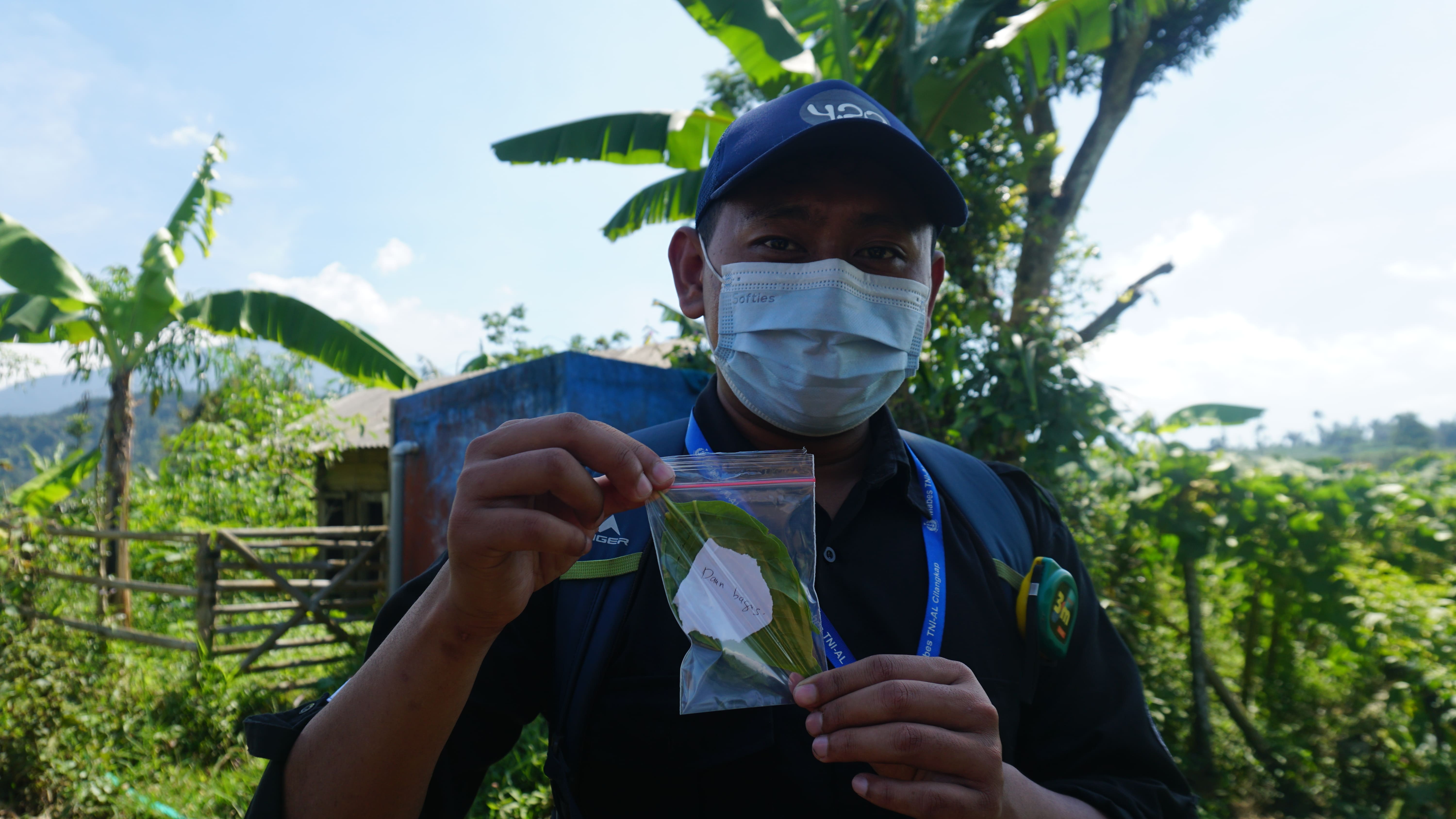
During my time as an Informatics Engineering student at STMIK AMIK Bandung, I became fascinated by the potential of the Internet of Things (IoT). While many IoT projects focused on smart homes and automation, I wanted to explore how technology could help solve real-world challenges in agriculture.
It Started with a Simple Question
Many farmers still rely on manual irrigation systems.
While traditional methods have worked for decades, they often come with challenges:
Inconsistent watering schedules
Water waste
Overwatering or underwatering crops
Limited real-time monitoring
This led me to a simple question:
"What if plants could receive water automatically based on their actual needs?"
That question became the foundation of my IoT agriculture research project.
Building the Smart Irrigation System
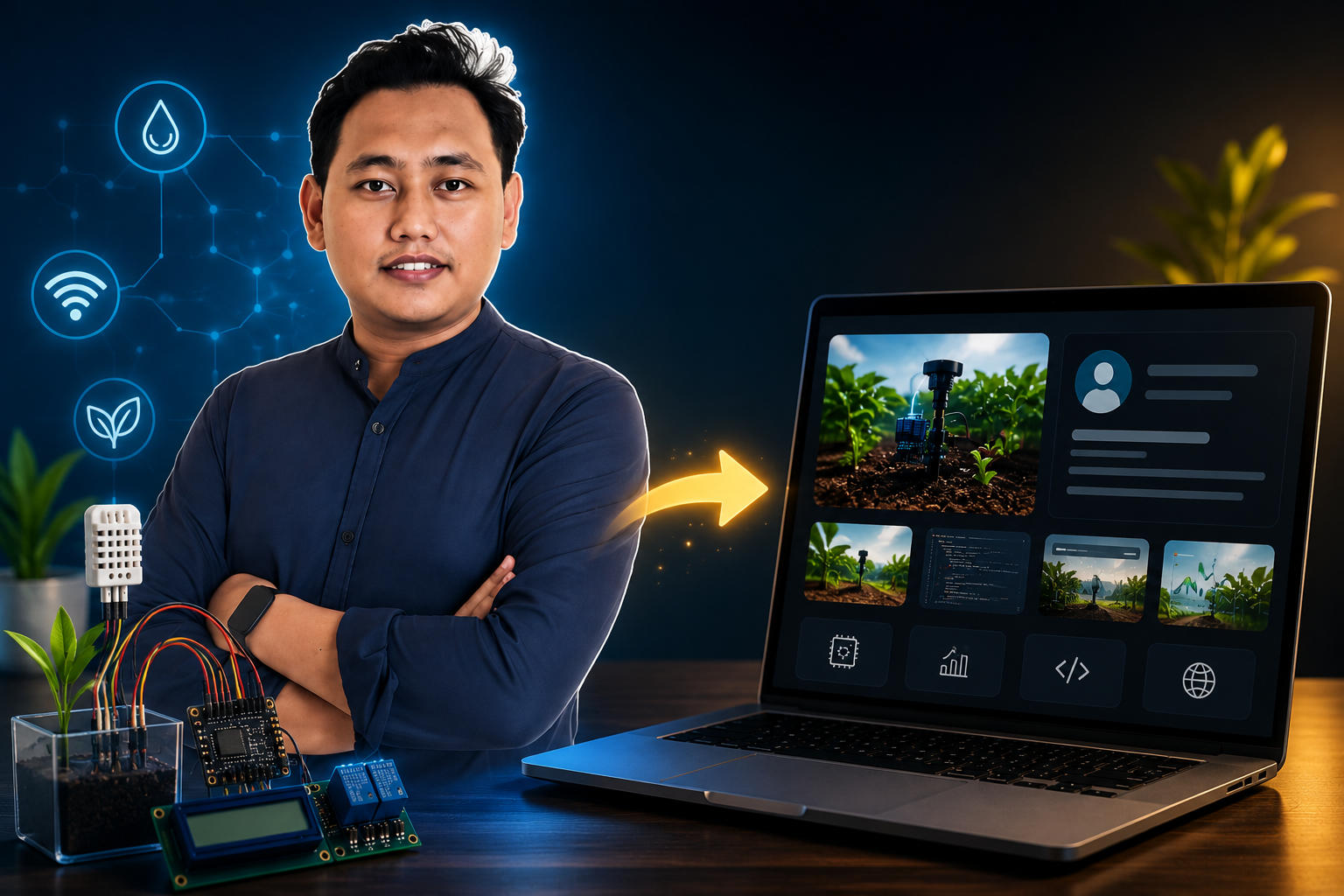
The project combined several technologies:
NodeMCU ESP8266
Soil moisture sensors
Temperature sensors
Water pumps
Relay modules
Internet-based monitoring dashboard
To make the system more intelligent, I implemented Fuzzy Logic instead of relying on simple threshold-based automation.
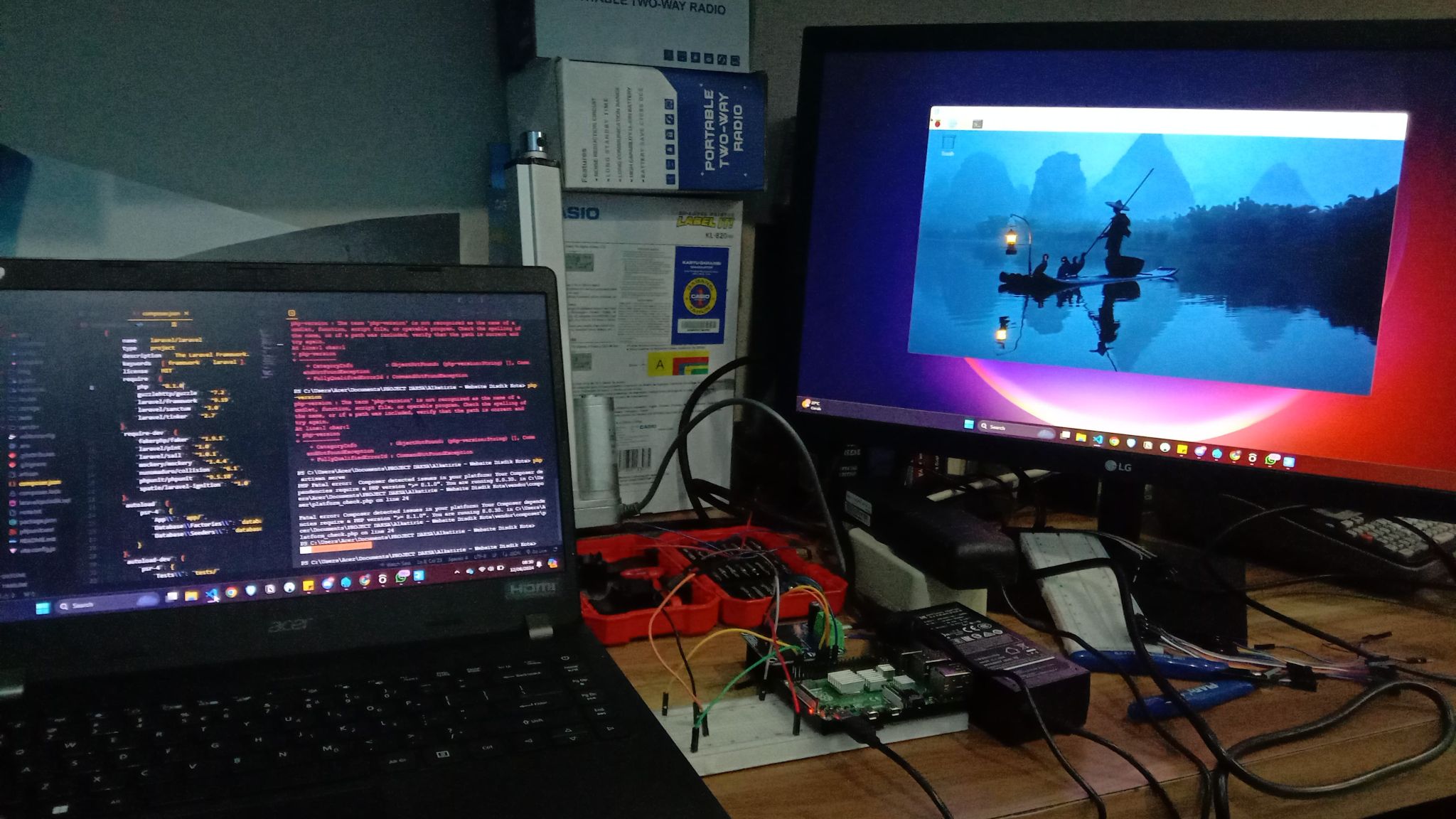
Rather than turning the pump on or off based on a single condition, the system evaluates both soil moisture and temperature to determine the optimal watering duration.
This approach creates a more adaptive and efficient irrigation process.
Turning Ideas into Reality
The most exciting part of any research project is seeing it work outside the lab.
I tested the system on chili plants and monitored its performance over several days.
The results were encouraging.
The plants received consistent irrigation, water usage became more efficient, and the overall growth conditions improved.
Moments like these remind me why I enjoy working with technology: seeing an idea transform into something tangible that can solve real problems.
Showcasing the Project at SABOTAGE Bandung
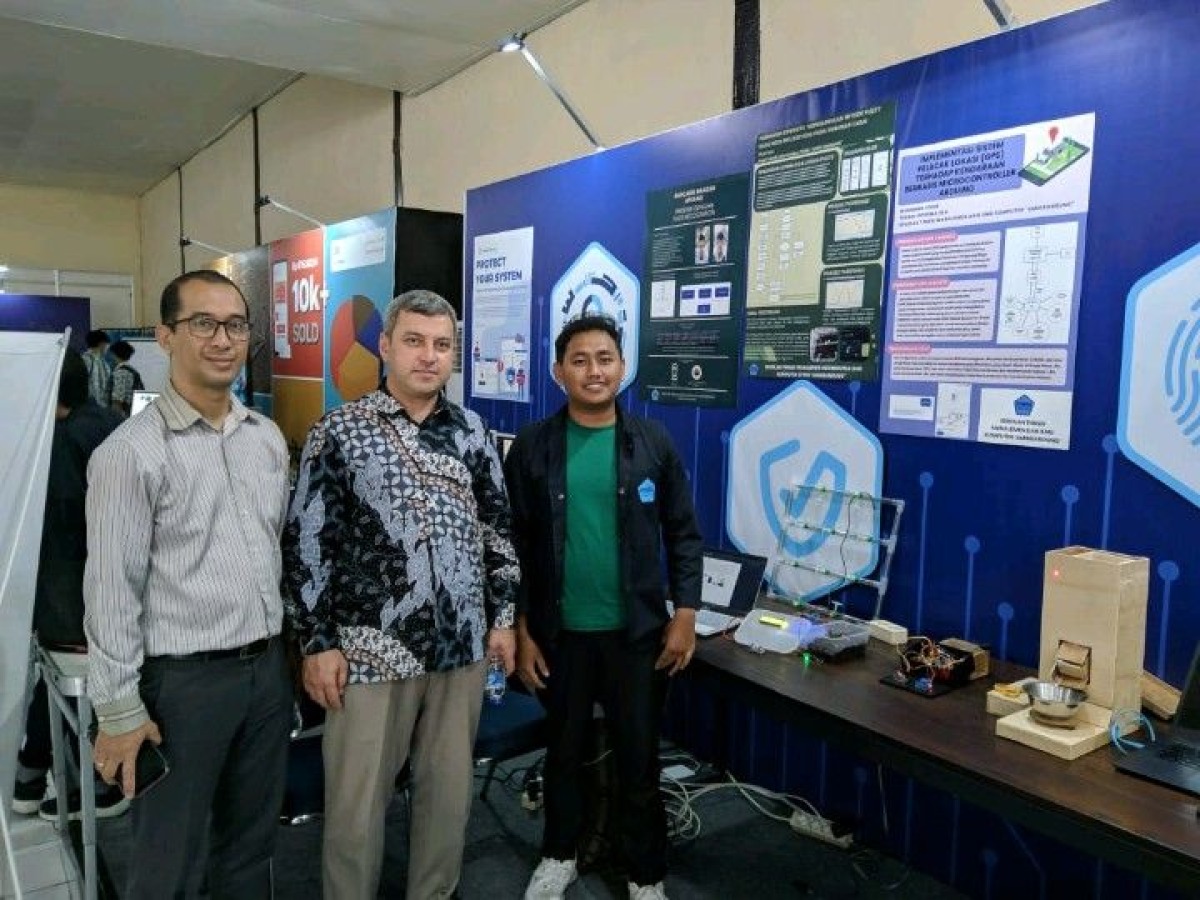
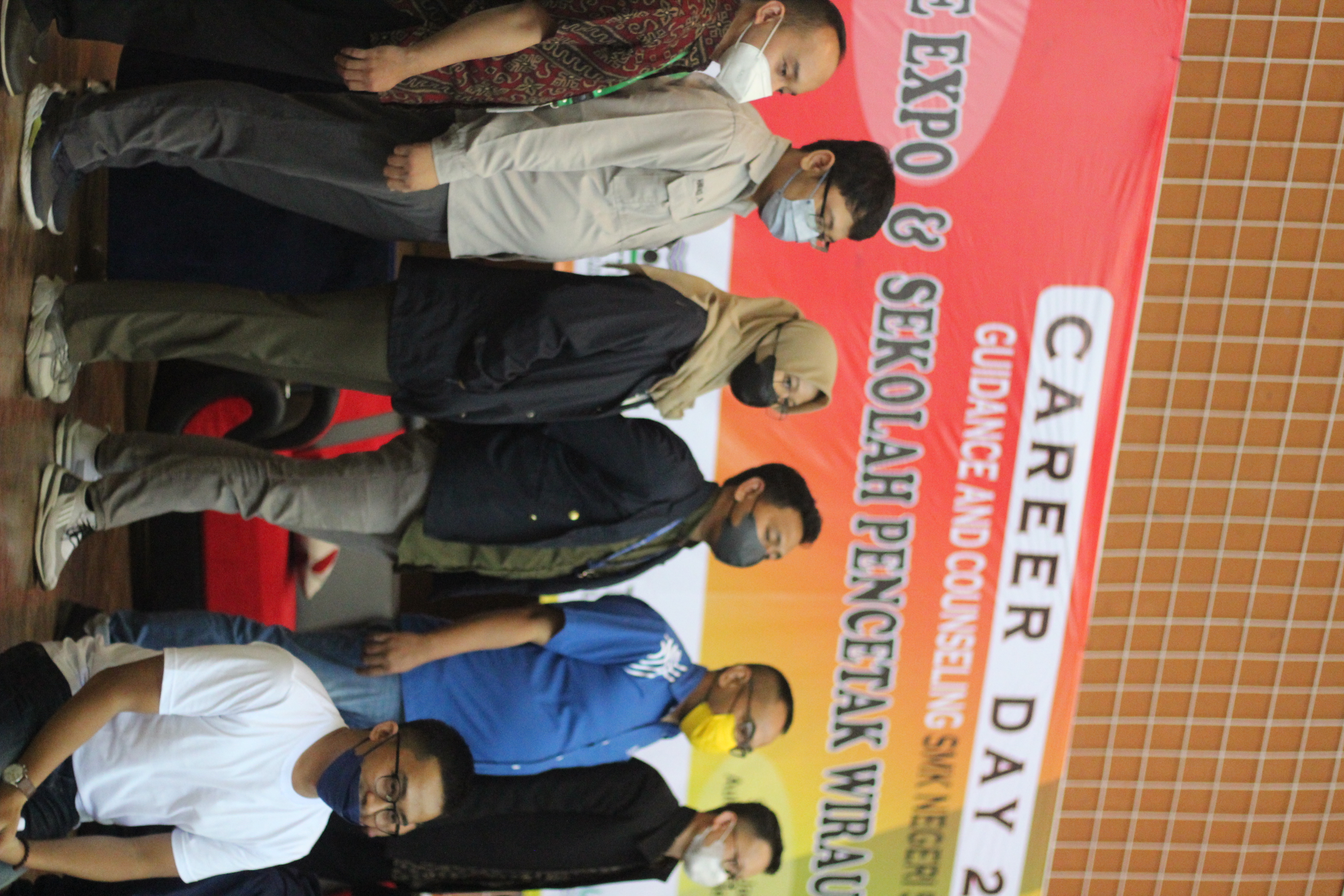
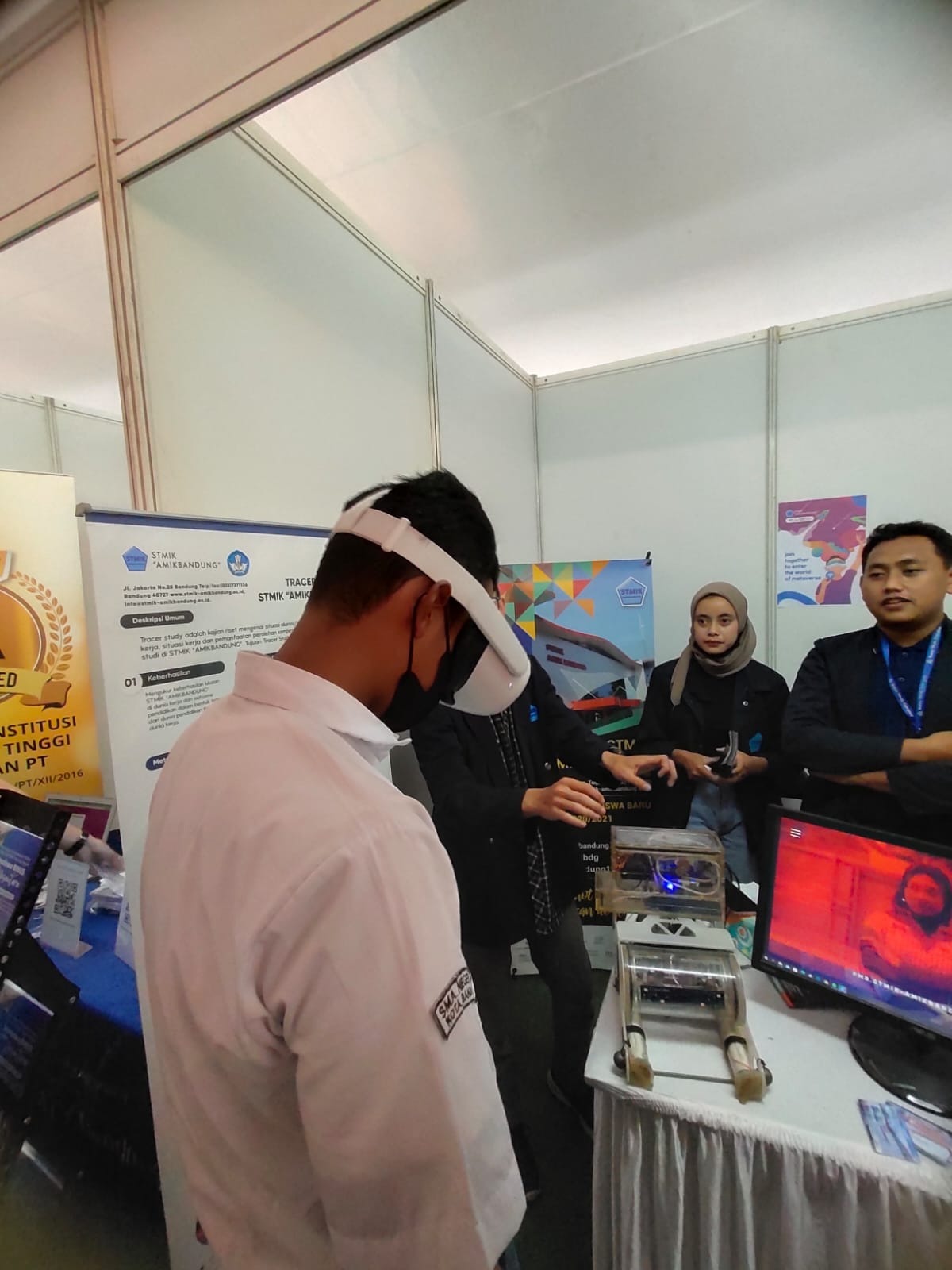
One of the highlights of this journey was presenting the project at the SABOTAGE Technology Exhibition in Bandung.
The event brought together students, researchers, technology enthusiasts, and industry professionals.
It was an incredible opportunity to demonstrate the prototype, explain the research process, and discuss the future of smart farming technologies in Indonesia.
Receiving feedback directly from visitors was both exciting and motivating.
Featured by National Media
Something I never imagined was when my research findings began to garner media attention. Several national and regional media outlets then covered the project I was developing.
One such article was an article from JPNN discussing IoT-based irrigation technology that can be controlled remotely.
Furthermore, the SABOTAGE Bandung event, where I presented my research findings, also received coverage from Tribun Jabar.
For me, this wasn't just about getting in the news.
More than that, I was thrilled that research that started as an academic project had managed to attract attention and spark a broader discussion about the application of technology in Indonesia's agricultural sector.
Lessons Learned
This experience taught me several valuable lessons:
Technology Should Solve Real Problems
Innovation becomes meaningful when it addresses actual challenges faced by people.
Agriculture Needs More Digital Innovation
The agricultural sector has enormous opportunities for IoT adoption, from irrigation automation to crop monitoring and predictive analytics.
Start Before You're Ready
No project starts perfectly. Progress comes from building, testing, failing, improving, and repeating the process.
Looking back, developing this IoT-based smart irrigation system was one of the most rewarding experiences of my academic journey.
From brainstorming ideas and building hardware prototypes to presenting the project at technology exhibitions and receiving media recognition, every step taught me something valuable.
Most importantly, it reinforced my belief that technology has the power to create meaningful impact when applied to real-world problems.
And that's what continues to drive my passion for IoT, software development, data analytics, and digital innovation today.
Here is the research that I have summarized: