

Sprint Planning Explained: A Beginner's Guide for Developers
When people first learn Agile or Scrum, one of the first terms they hear is Sprint Planning.
Unfortunately, many developers assume Sprint Planning is simply a meeting where tasks are assigned.
In reality, Sprint Planning is much more than that.
It is the foundation of a successful Sprint.
A well-planned Sprint helps developers stay focused, reduces unexpected work, improves collaboration, and increases the likelihood of delivering valuable software on time.
Whether you're a junior developer, a project manager, or someone preparing to join an Agile team, understanding Sprint Planning is an essential skill.
What Is Sprint Planning?

Sprint Planning is an event in the Scrum framework where the team decides what work will be completed during the upcoming Sprint and how that work will be accomplished.
The meeting happens at the beginning of every Sprint.
Its goal is to create a clear and realistic plan that everyone agrees on before development starts.
Instead of assigning work from the top down, Sprint Planning encourages collaboration among the entire Scrum Team.
Why Sprint Planning Matters
Without Sprint Planning, developers often experience:
Unclear priorities
Conflicting expectations
Frequent scope changes
Missed deadlines
Poor collaboration
Confusing workloads
A good Sprint Planning session ensures everyone starts with the same understanding of the Sprint Goal.
Who Participates in Sprint Planning?
Sprint Planning involves the entire Scrum Team.
Product Owner
The Product Owner explains:
Business priorities
Product Backlog
Customer needs
Feature objectives
Their responsibility is ensuring the team understands why each feature matters.
Scrum Master
The Scrum Master facilitates the meeting.
They help:
Keep discussions focused.
Remove communication barriers.
Ensure Scrum principles are followed.
Encourage team collaboration.
Developers
Developers estimate effort, discuss technical approaches, identify risks, and decide how much work they can realistically complete during the Sprint.
Sprint Planning should never feel like work being assigned.
Instead, the development team commits to achievable goals together.
The Three Questions Every Sprint Planning Should Answer
Successful Sprint Planning answers three important questions.
1. Why Is This Sprint Valuable?
The team agrees on a Sprint Goal.
Example:
"Allow customers to securely reset forgotten passwords."
The Sprint Goal keeps everyone aligned.
2. What Will Be Built?
The team selects Product Backlog Items based on:
Priority
Business value
Team capacity
Dependencies
These selected items become the Sprint Backlog.
3. How Will We Build It?
Developers discuss:
Architecture
API integration
Database changes
Testing strategy
Deployment considerations
This conversation reduces technical surprises during development.
What Is a Sprint Backlog?
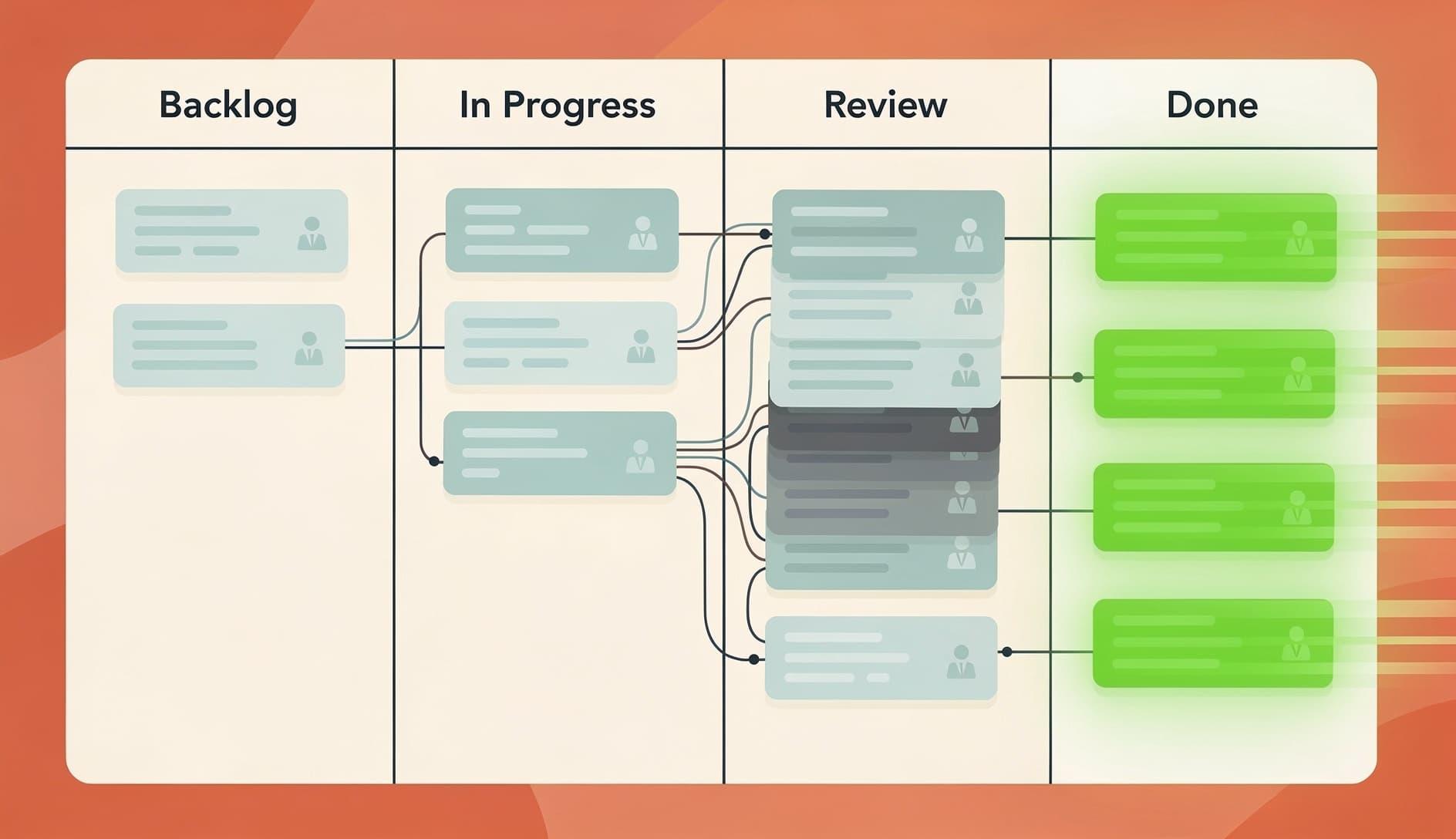
The Sprint Backlog is the list of work the team commits to completing during a Sprint.
It usually contains:
User Stories
Tasks
Bug fixes
Technical improvements
Testing activities
Unlike the Product Backlog, the Sprint Backlog is focused only on the current Sprint.
Understanding User Stories
Most Agile teams organize Sprint work using User Stories.
A common format is:
As a [user], I want [feature], so that [benefit].
Example:
As a customer, I want to receive an email after placing an order so that I know my purchase was successful.
This approach keeps discussions focused on user value rather than implementation details.
Estimating Work
Sprint Planning also involves estimating effort.
Popular estimation techniques include:
Story Points
Planning Poker
T-Shirt Sizing
Fibonacci Sequence
The goal isn't perfect accuracy.
The goal is creating realistic expectations.
Capacity Planning
A common mistake is assuming developers can work at 100% capacity.
In reality, teams also spend time on:
Meetings
Code Reviews
Bug Fixes
Support Requests
Documentation
Capacity Planning helps prevent overcommitting.
Healthy teams deliver consistently—not by working overtime.
Common Sprint Planning Mistakes
Avoid these common problems:
Bringing unclear requirements.
Ignoring team capacity.
Selecting too many tasks.
Skipping technical discussions.
Changing Sprint scope too often.
Turning Sprint Planning into a long status meeting.
Sprint Planning should be collaborative, focused, and time-boxed.
Best Practices for Better Sprint Planning
Successful Agile teams often follow these practices:
Prepare the Product Backlog before the meeting.
Define a clear Sprint Goal.
Estimate work together.
Break large tasks into smaller ones.
Discuss technical risks early.
Leave room for unexpected work.
Keep communication open.
Remember:
Planning is not about predicting the future.
Planning is about reducing uncertainty.
Real-World Example
Imagine an e-commerce company preparing its next Sprint.
Sprint Goal:
Improve the checkout experience.
Sprint Backlog:
Guest Checkout
Payment Gateway Integration
Order Confirmation Email
Checkout UI Improvements
Unit Testing
API Integration Testing
Before development starts, the team already understands:
Business objectives
Technical challenges
Task ownership
Delivery expectations
This clarity reduces confusion throughout the Sprint.
Sprint Planning vs Daily Scrum
Many beginners confuse these events.
Sprint Planning | Daily Scrum |
|---|---|
Happens once per Sprint | Happens every day |
Creates the Sprint plan | Tracks daily progress |
Lasts several hours | Usually 15 minutes |
Focuses on planning | Focuses on execution |
Both meetings are important, but they serve different purposes.
Conclusion
Sprint Planning is much more than scheduling tasks.
It creates shared understanding, realistic expectations, and a clear roadmap for the Sprint.
When teams invest time in planning together, they communicate better, reduce project risks, and deliver software more consistently.
For developers, learning Sprint Planning is not just about following Scrum—it is about becoming a better collaborator and building successful software projects.
Frequently Asked Questions
How long should Sprint Planning last?
According to the Scrum Guide, Sprint Planning is time-boxed based on the Sprint length. For a one-month Sprint, it is typically up to eight hours, while shorter Sprints require proportionally less time.
Can developers change the Sprint Backlog?
Yes. Developers may adjust the Sprint Backlog during the Sprint if necessary, as long as the Sprint Goal remains unchanged.
Is Sprint Planning mandatory?
If your team follows Scrum, Sprint Planning is one of the essential Scrum events.